

If you’ve been diagnosed with Polycystic Ovary Syndrome (PCOS), you’re not alone. Research suggests that 1 in 5 Indian women may be affected by PCOS, making it one of the most common hormonal disorders among women of reproductive age in India.
Despite its growing prevalence, PCOS is often misunderstood. Many women are left confused, overwhelmed, and unsure about how to manage their condition.
This comprehensive guide will help you understand:
Table of Contents
- What Is PCOS?
- How Is PCOS Diagnosed?
- Common Symptoms of PCOS
- What Causes PCOS?
- PCOS in Indian Women: Why It’s Different
- Managing PCOS Naturally
- Medical Treatment Options for PCOS
- Living With PCOS: Final Thoughts
What Is PCOS?
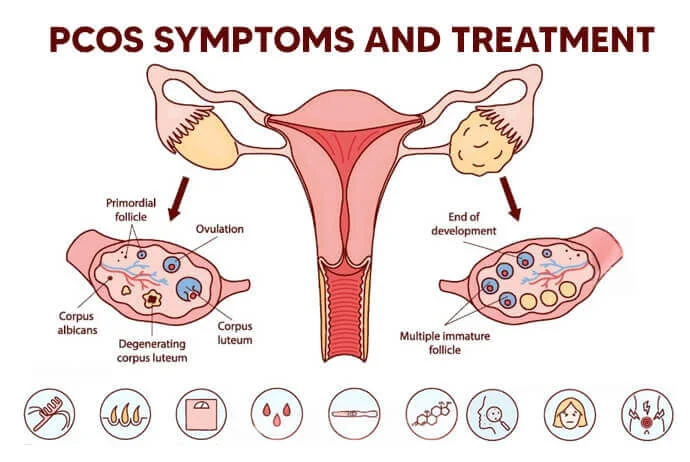
Polycystic Ovary Syndrome (PCOS) is a hormonal and metabolic condition that affects how the ovaries function. Despite its name, PCOS is not just about ovarian cysts.
In PCOS, the ovaries produce higher-than-normal levels of androgens (male hormones). This imbalance can interfere with ovulation, menstrual cycles, metabolism, skin health, and fertility.
How Is PCOS Diagnosed?
Doctors usually diagnose PCOS if any two of the following three criteria are present:
- Irregular or absent periods
– Cycles longer than 35 days or fewer than 8 periods per year - High androgen levels
– Detected via blood tests or symptoms such as excess facial/body hair, acne, or scalp hair thinning - Polycystic ovaries on ultrasound
– Multiple small follicles (not true cysts) in one or both ovaries
Diagnosis may involve:
- Medical history review
- Physical examination
- Blood tests (hormones, glucose, cholesterol)
- Pelvic ultrasound
Always consult a gynecologist or endocrinologist for proper evaluation.
Common Symptoms of PCOS
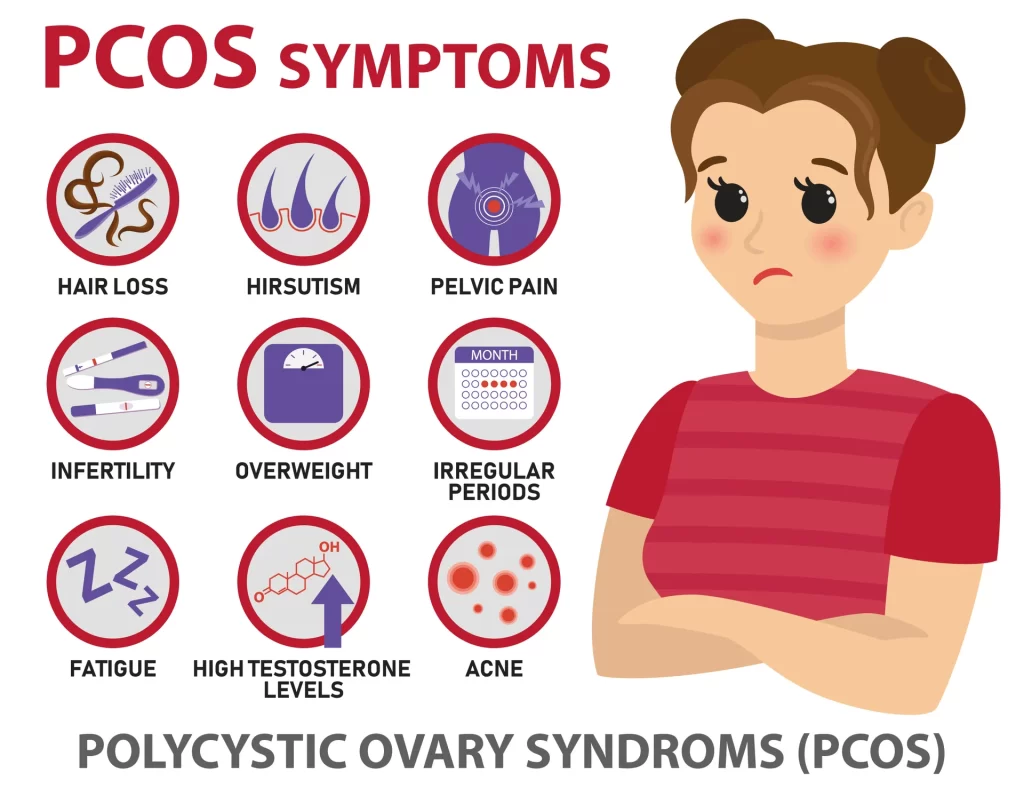
PCOS symptoms vary from woman to woman and may include:
Menstrual Symptoms
- Irregular or missed periods
- Very heavy or very light bleeding
- Unpredictable cycles
Physical Symptoms
- Excess facial or body hair (hirsutism)
- Persistent acne, especially on the jawline
- Thinning scalp hair
- Dark patches of skin (neck, underarms)
- Skin tags
Metabolic Symptoms
- Weight gain, especially around the abdomen
- Difficulty losing weight
- Insulin resistance
- Increased risk of type 2 diabetes
Emotional & Mental Health
- Mood swings
- Anxiety and depression
- Low self-esteem
- Stress related to fertility and body image
What Causes PCOS?
PCOS does not have a single cause. It develops due to a combination of factors:
1. Insulin Resistance
Up to 70% of women with PCOS have insulin resistance. High insulin levels trigger excess androgen production, worsening symptoms.
2. Chronic Inflammation
Low-grade inflammation can stimulate the ovaries to produce more androgens.
3. Genetics
PCOS often runs in families. If your mother or sister has PCOS, your risk may be higher.
4. Hormonal Imbalances
Imbalances in LH, FSH, prolactin, and insulin contribute to ovulation problems.
PCOS in Indian Women: Why It’s Different
Indian women face unique PCOS-related challenges:
- Higher prevalence compared to other ethnic groups
- Earlier onset, often during teenage years
- Greater risk of diabetes and heart disease
- Diets high in refined carbohydrates
- Cultural pressure related to appearance, marriage, and fertility
Managing PCOS Naturally: What Actually Works
1. Nutrition for PCOS
- Choose low-GI foods (millets, brown rice, vegetables)
- Prioritize protein at every meal
- Include healthy fats (nuts, seeds, cold-pressed oils)
- Reduce sugar, sweets, and processed foods
- Add anti-inflammatory foods like turmeric, ginger, and leafy greens
2. Exercise for Hormonal Balance
- Strength training (3–4 times/week)
- Brisk walking, cycling, or swimming
- Gentle yoga poses like:
- Butterfly Pose
- Cobra Pose
- Child’s Pose
Consistency matters more than intensity.
3. Stress Management & Sleep
Chronic stress increases cortisol, worsening PCOS symptoms.
- Practice meditation or deep breathing
- Sleep 7–9 hours nightly
- Reduce screen time before bed
MEDICAL TREATMENT OPTIONS
While lifestyle changes form the foundation of PCOS management, medical treatment may be required depending on symptoms, age, and fertility goals. Treatment plans should always be personalized and supervised by a qualified gynecologist or endocrinologist.
Common medical options include:
Hormonal Birth Control
Oral contraceptive pills are often prescribed to regulate menstrual cycles, reduce excess androgen levels, and improve acne and unwanted hair growth.
Insulin-Sensitizing Medications
Medicines like metformin may be used to improve insulin resistance, regulate periods, and support weight management in women with PCOS.
Anti-Androgen Medications
These may help reduce symptoms such as excessive facial or body hair and scalp hair thinning.
Fertility Treatments
For women trying to conceive, ovulation-inducing medications and assisted reproductive techniques may be recommended under medical guidance.
It is important to understand that PCOS cannot be “cured,” but with the right combination of medical care and lifestyle changes, symptoms can be effectively managed.
Living With PCOS: Final Thoughts
Being diagnosed with PCOS can feel overwhelming, but it is important to remember that PCOS is a manageable condition. With early diagnosis, the right medical guidance, and consistent lifestyle changes, most women can lead healthy, balanced lives.
Understanding your body, making informed choices, and seeking professional support are key steps in managing PCOS effectively. Every woman’s experience with PCOS is different, and there is no one-size-fits-all approach.
If you suspect symptoms of PCOS or have already been diagnosed, consult a qualified healthcare professional to create a treatment plan that works best for you.
You are not alone in this journey — awareness, education, and support make all the difference.